001 / The Research
THE
SCIENCE
OF CALM
Tactile stimulation isn't just satisfying — it's clinically proven to reduce cortisol, lower heart rate, and interrupt anxiety feedback loops.
Tactile stimulation isn't just satisfying — it's clinically proven to reduce cortisol, lower heart rate, and interrupt anxiety feedback loops.
Physical compression of a soft, yielding object activates mechanoreceptors in the fingertips — triggering the parasympathetic nervous system. Heart rate drops. Blood pressure normalises. Cortisol clears.
"Repetitive tactile stimulation significantly reduces salivary cortisol levels within 7 minutes of onset." — Journal of Behavioral Medicine
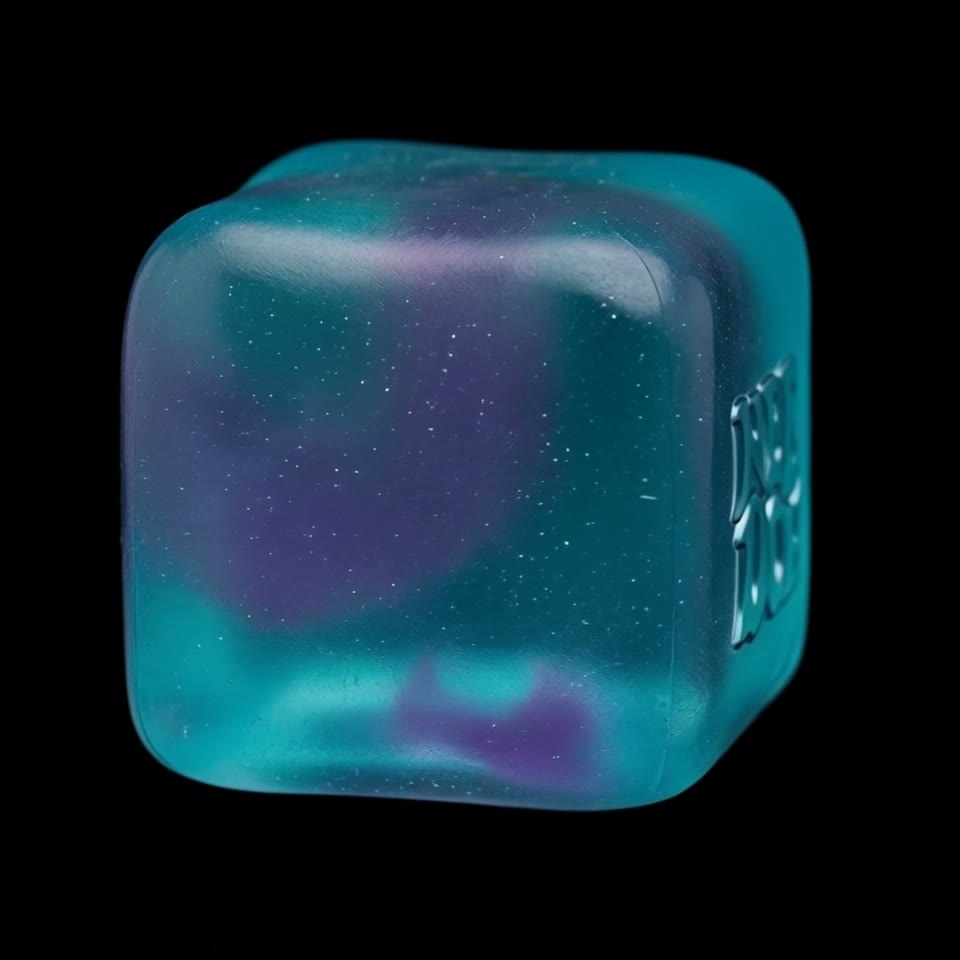
The slow 8-second recovery of the galaxy gel creates a satisfying return-to-form that triggers small dopamine hits. Your brain learns to associate the squeeze with reward — building a positive feedback loop against anxious thought patterns.
"Fidget tools with variable resistance produce stronger dopaminergic reward signals than constant-resistance alternatives." — Neuropsychology Review
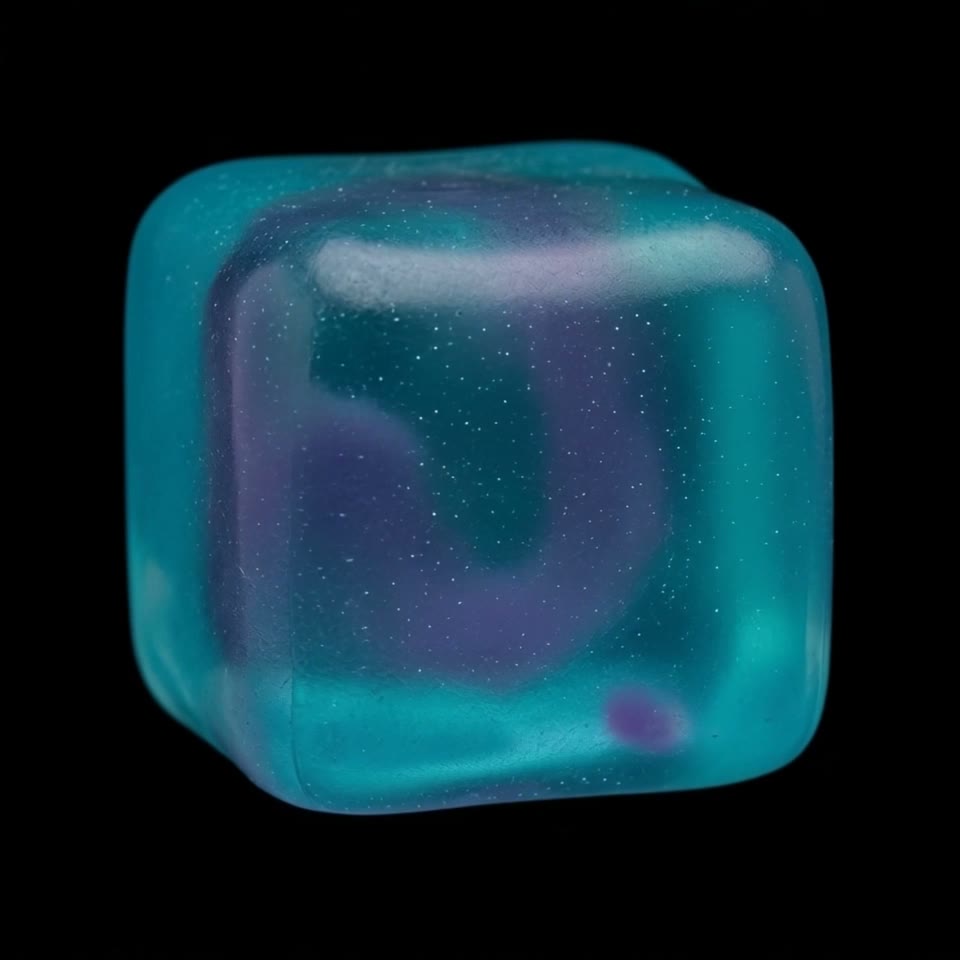
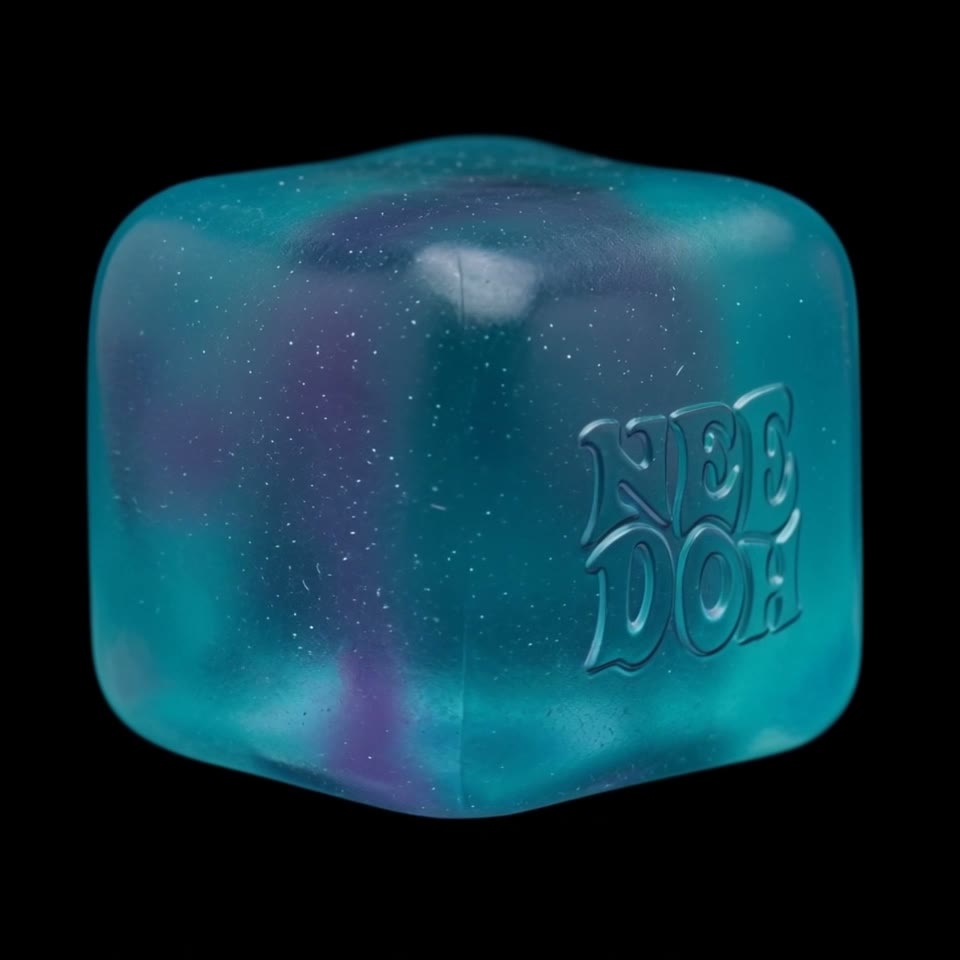
Counter-intuitive but proven: giving the hands a low-demand task actually increases cognitive focus. Tactile engagement occupies the motor cortex just enough to prevent the mind from wandering into anxiety-driven rumination.
"Participants using tactile fidget devices showed 19% improved retention on subsequent cognitive tasks." — Applied Cognitive Psychology
The Nebula is designed to exploit the brain's natural neuroplasticity — creating a conditioned calm response that strengthens over time.